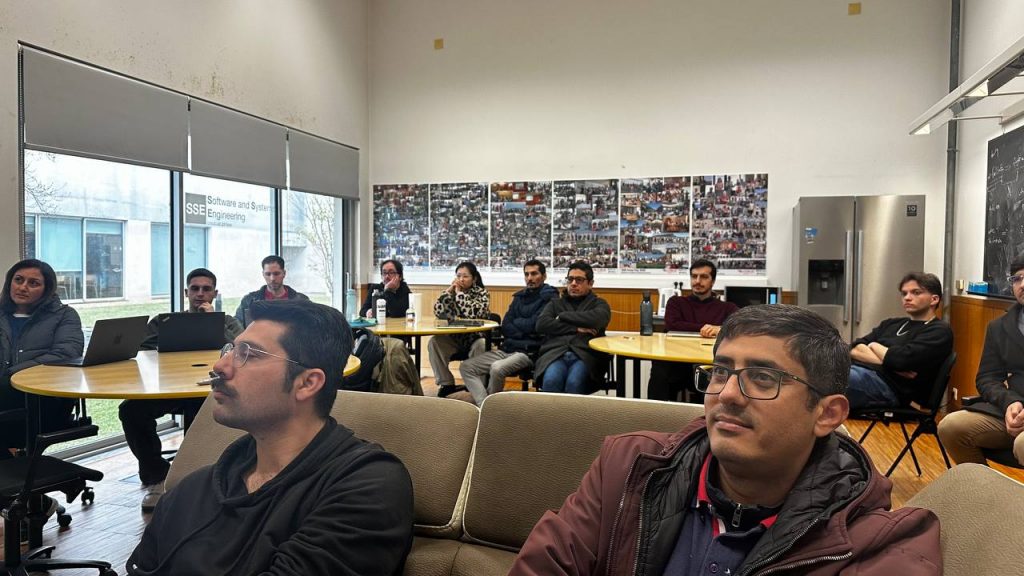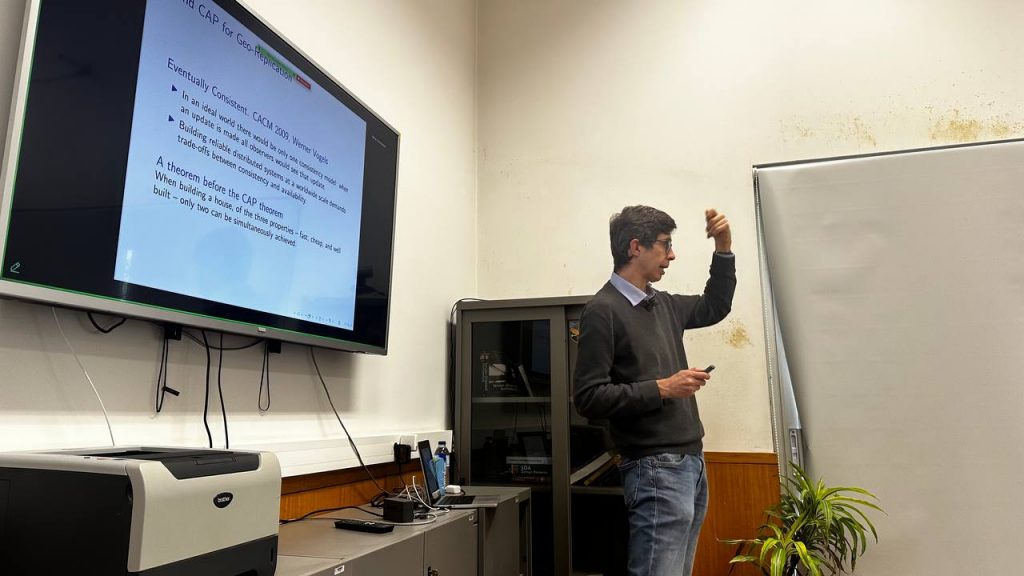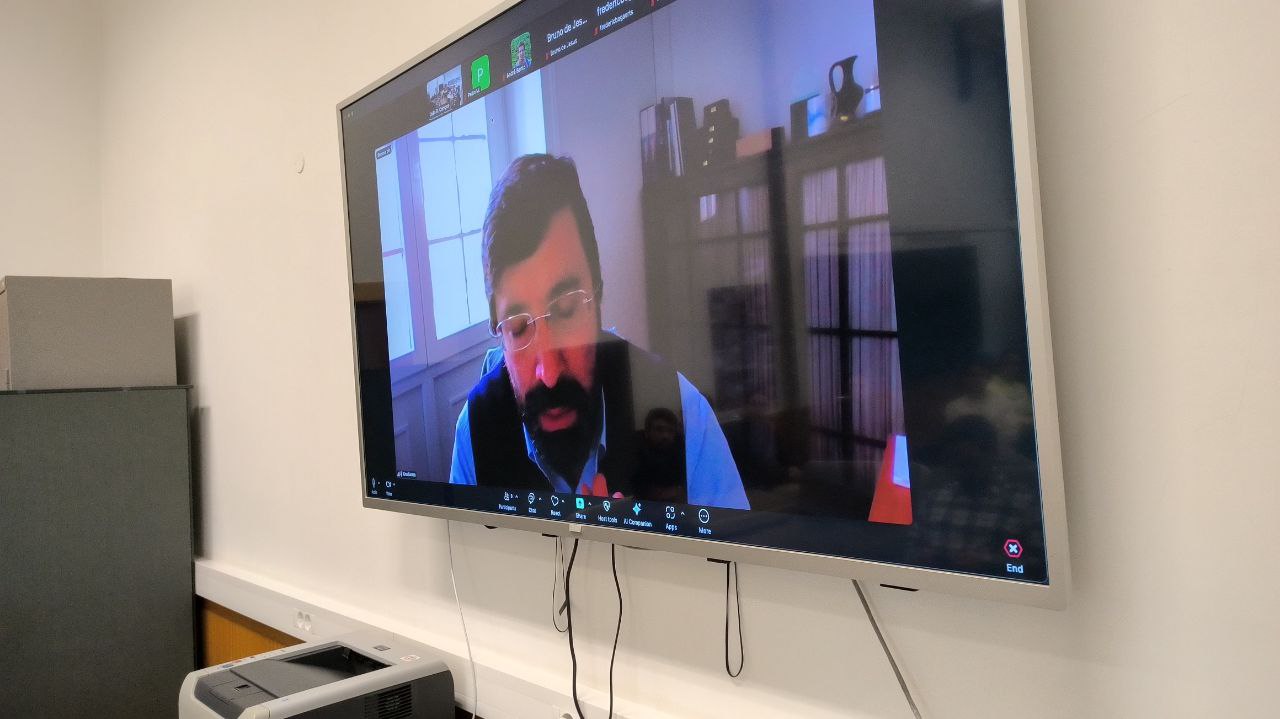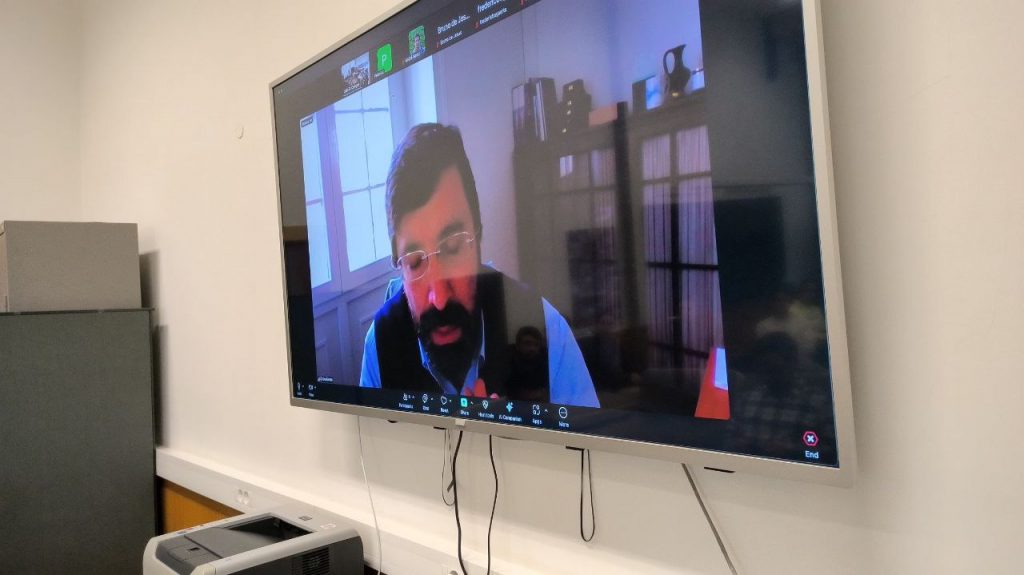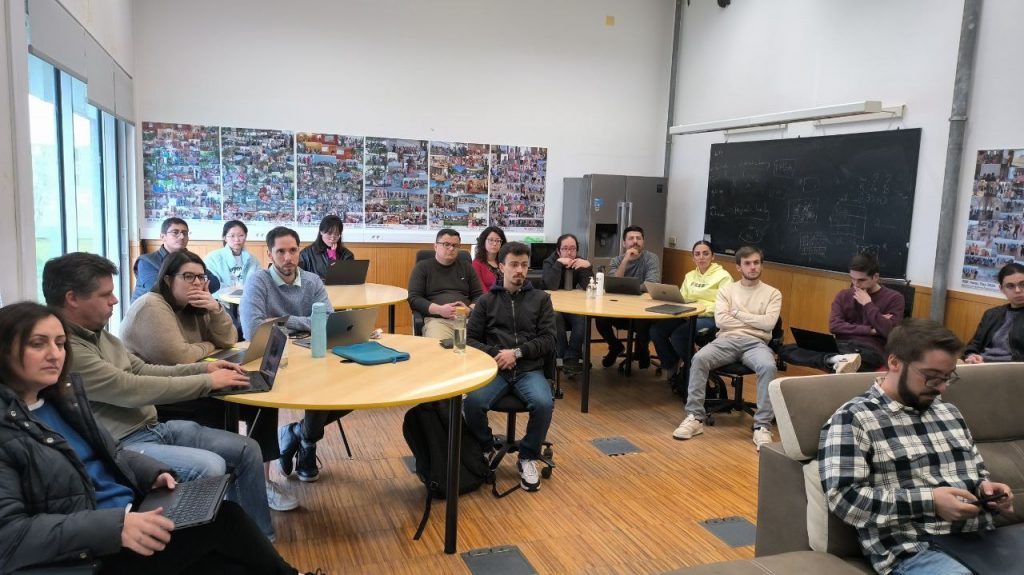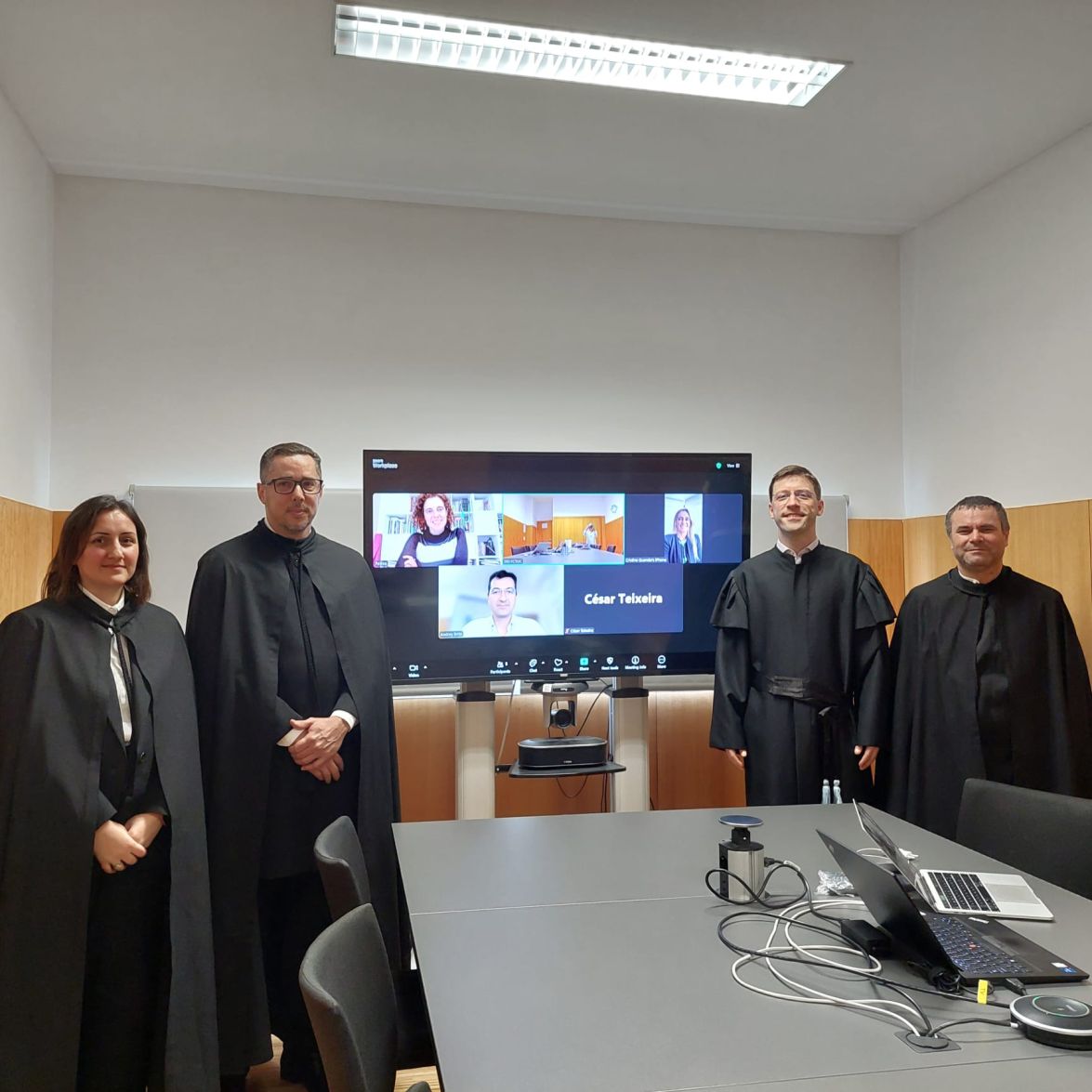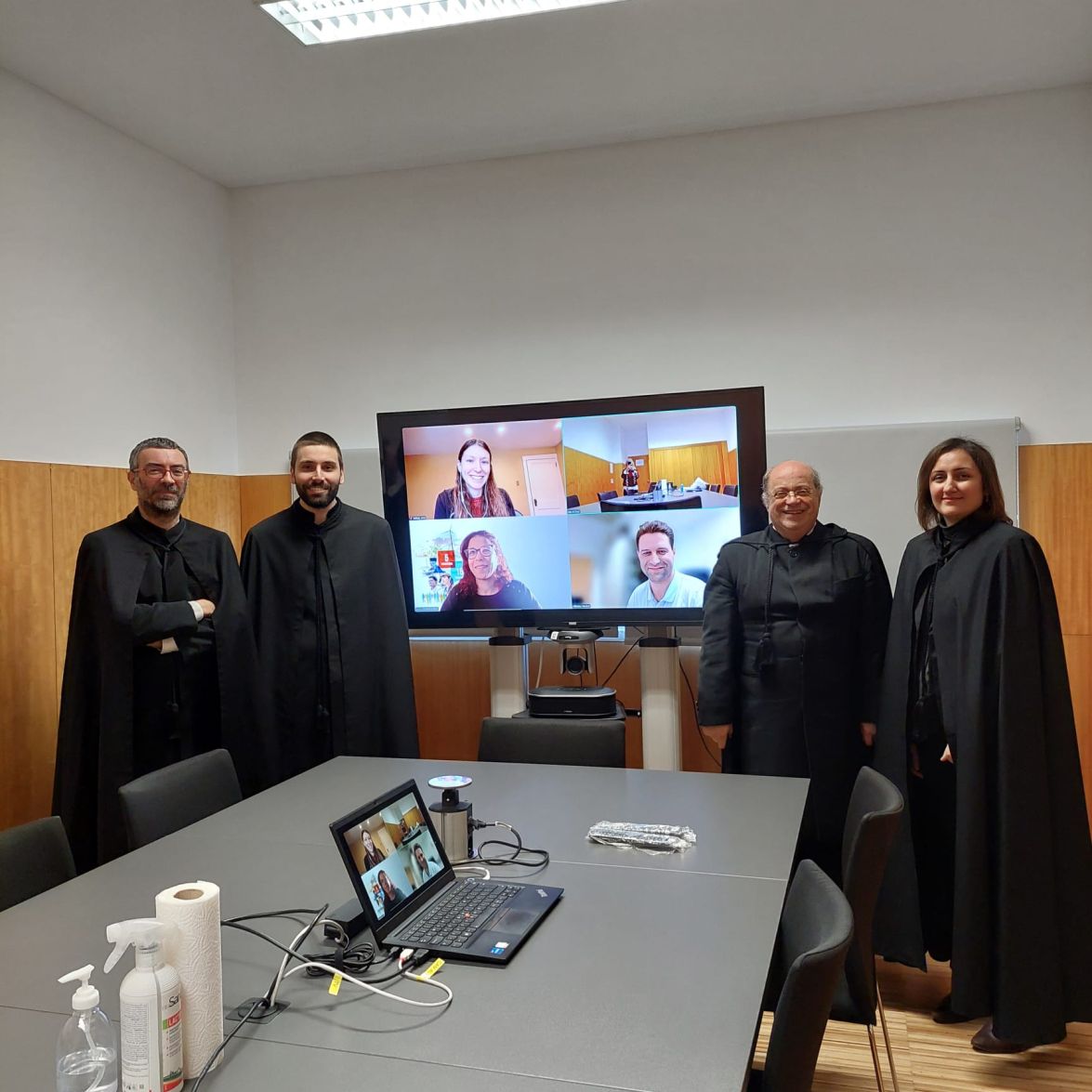
[Talk Ideas] – 14th of May 2025, Paulo Maciel (UFPE)

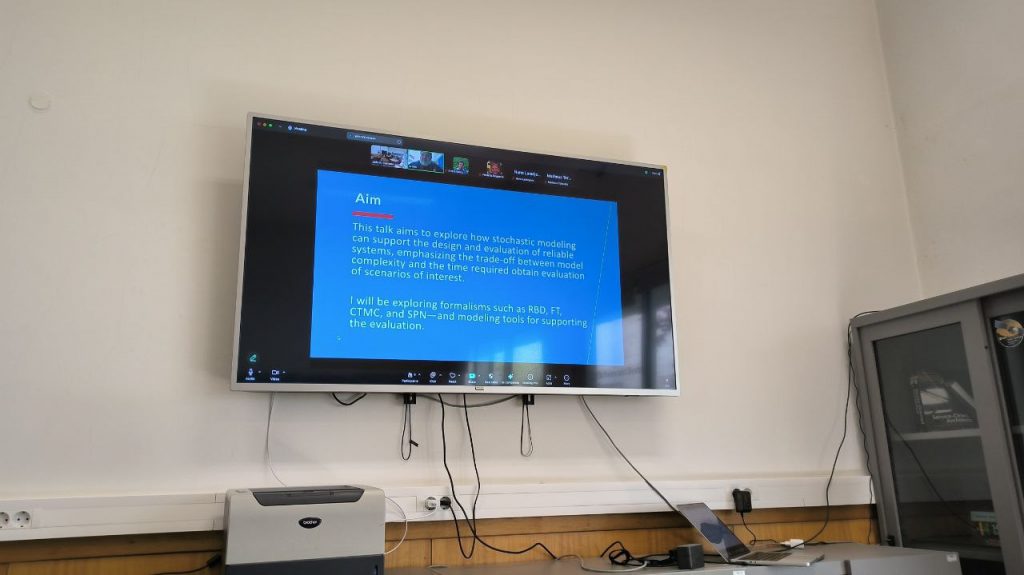
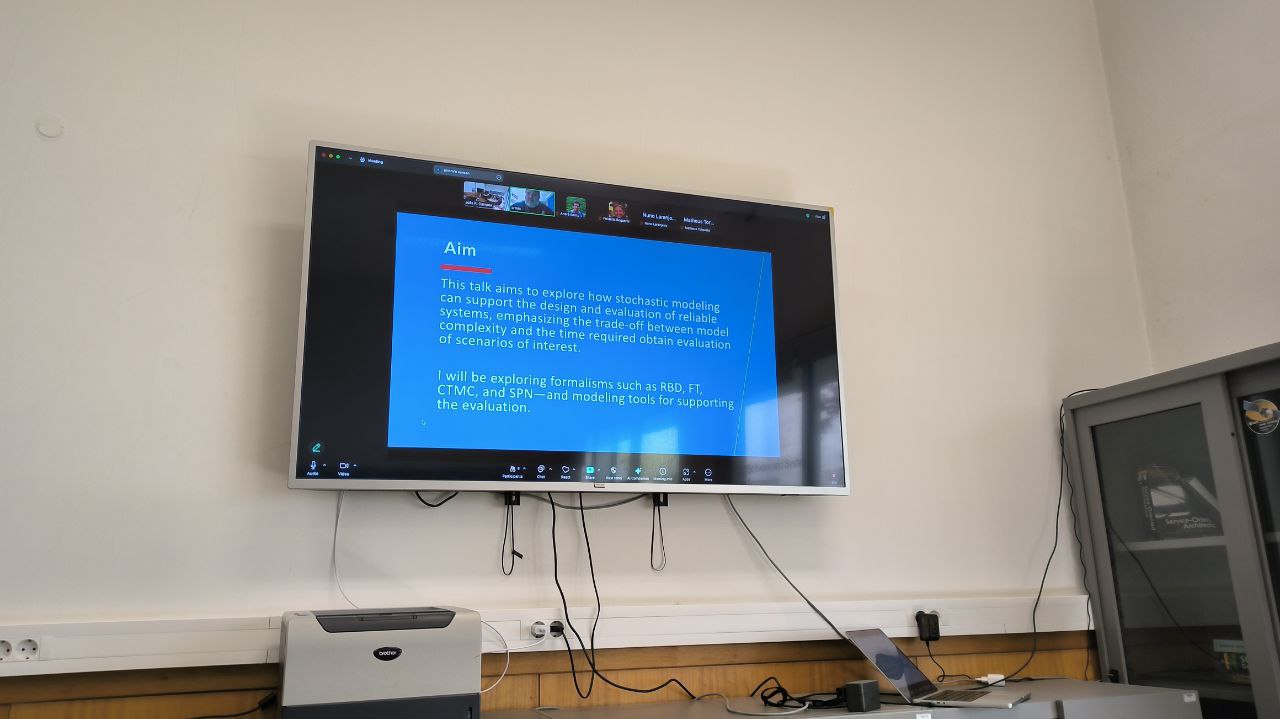
14th of May at 16h00, Paulo Maciel (UFPE) will give a presentation entitled“Assessing Performance and Dependability: Trade-offs Between Complexity and Representativeness in Stochastic Modeling” 
Location: G4.1

Abstract
Performability is the study of a system’s performance in the presence of failures and repair activities, making it a critical concept for designing and assessing resilient systems. This talk explores methods for assessing performance and dependability, emphasizing the trade-offs between model complexity and representativeness in stochastic modeling.
We begin by revisiting foundational performability concepts, including performance metrics such as utilization and response time and dependability attributes such as availability, reliability, safety, and maintainability. These metrics capture the impact of failure and restoration processes on overall system behavior.
A fundamental aspect of modeling and evaluation is managing the trade-off between the complexity and representativeness of the model and the computational resources required toanalyze it. To address this, we examine various modeling techniques, including analytical methods, numerical approaches, and simulations.
Formalisms such as reliability block diagrams (RBD), fault trees (FT), discrete-time and continuous-time Markov chains (DTMC and CTMC), and stochastic Petri nets (SPN) are discussedin terms of expressiveness, scalability, and solution techniques. Additional topics include hierarchical and heterogeneous modeling, sensitivity analysis, and phase-type distributions for more accurate system representation.
The Mercury tool will be a comprehensive platform supporting performability evaluation through various stochastic formalisms. This talk highlights the importance of structured, model-based assessment to ensure systems meet performance and dependability requirements under adverse operational conditions.

Bio
Paulo Maciel is a Full Professor at the Center for Informatics, Federal University of Pernambuco (UFPE), where he leads the Modeling of Distributed and Concurrent Systems (MoDCS) Research Group. He received his Electronic Engineering degree from the University of Pernambuco in 1987 and later earned a master’s and a doctorate in Electronic Engineering and Computer Science from UFPE. During his Ph.D., he conducted a research internship at Eberhard Karls-Universität Tübingen, Germany (1996–1997). In 2011, he took a sabbatical at the Department of Electrical and Computer Engineering, Edmund T. Pratt School of Engineering, Duke University, USA. His research focuses on performance, reliability, availability, capacity planning, and stochastic modeling, with applications in cloud computing, sustainable data centers, manufacturing, integration, and communication systems. He has advised about thirty Ph.D. students and over sixty M.Sc. students, and has published approximately 400 papers in journals and conferences.
He has extensive experience as a consultant and research coordinator, leading projects funded by the US Army Research Office (ARO), HP, EMC, CELESTICA, FOXCONN, ITAUTEC, INdT, Samsung, Motorola, CHESF, as well as Brazilian government research agencies such as FACEPE, CNPq, and FINEP. In 2023, he published a comprehensive two-volume textbook titled Performance, Reliability, and Availability Evaluation of Computational Systems, which serves as a substantial resource in the field.
Currently, he is a member of the National Council for Scientific and Technological Development (CNPq) as a Research Productivity Fellow (Category 1A). He also conceptualized and led the development of the Mercury toolset, a powerful framework for evaluating the performance and dependability of computational systems.
For more information about his work and publications, please visit the MoDCS Research Group website at www.modcs.org or his CNPq Lattes profile at lattes.cnpq.br.
[Talk Ideas] – 23rd of April 2025, Roberta De Luca (UNINA)

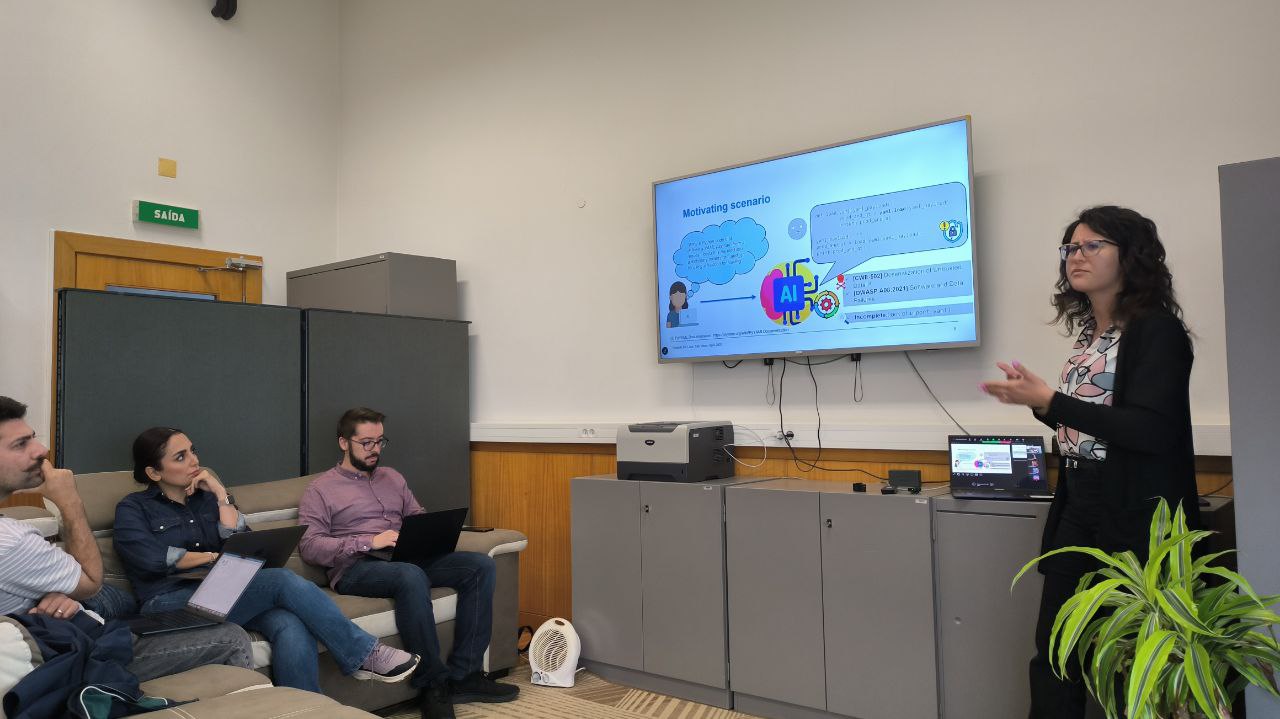
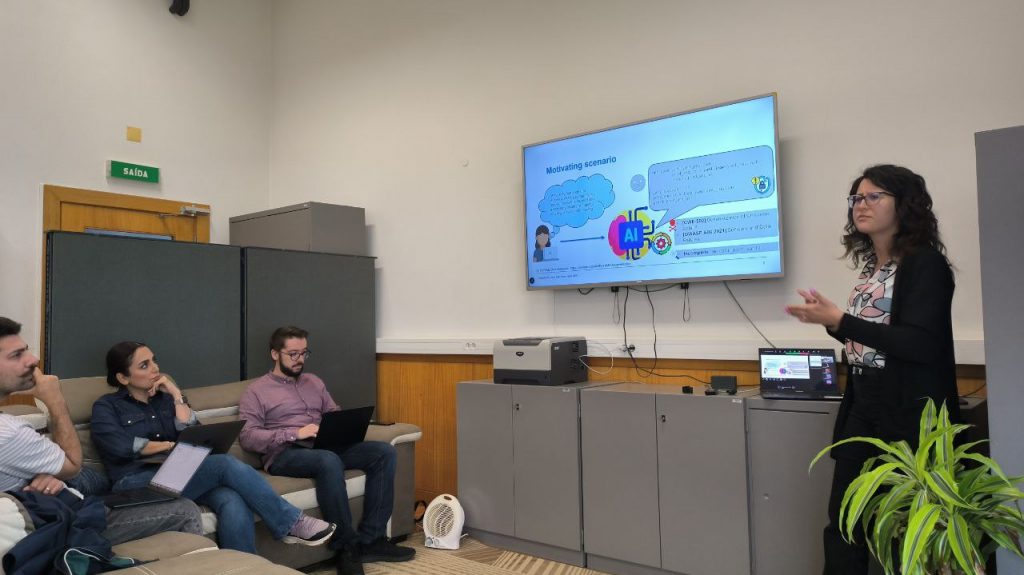
23rd of April at 16h00, Roberta De Luca (UNINA) will give a presentation entitled“Enhancing Trustworthiness of AI Code Generators” 
Location: G4.1

Abstract
AI-powered code generation tools are rapidly transforming software development, but they can also introduce critical security vulnerabilities. In this talk, I will present DeVAIC, a framework for detecting and patching vulnerabilities in AI-generated code. I will discuss our findings on the flaws introduced by Large Language Models (LLMs), and share insights into how automated techniques can enhance the reliability and security of generated code. The goal is to make AI-assisted programming more trustworthy and secure. 

Bio
Roberta De Luca is a PhD student in Information Technologies and Electrical Engineering (ITEE) and a member of the Dependable and Secure Software Engineering and Real-Time Systems (DESSERT) group at the University of Naples Federico II. Her research focuses on enhancing the trustworthiness, robustness, and security of AI-generated code, investigating techniques to mitigate vulnerabilities introduced by automated code generation tools.She has experience in static analysis, vulnerability detection, and secure software development. As part of her PhD work, she explores methods to improve the reliability of code generators by integrating security-aware mechanisms, reducing the likelihood of introducing exploitable flaws in AI-assisted programming environments

[Talk Ideas] – 26th of March 2025, Sadaf Azimi and Iury Araujo

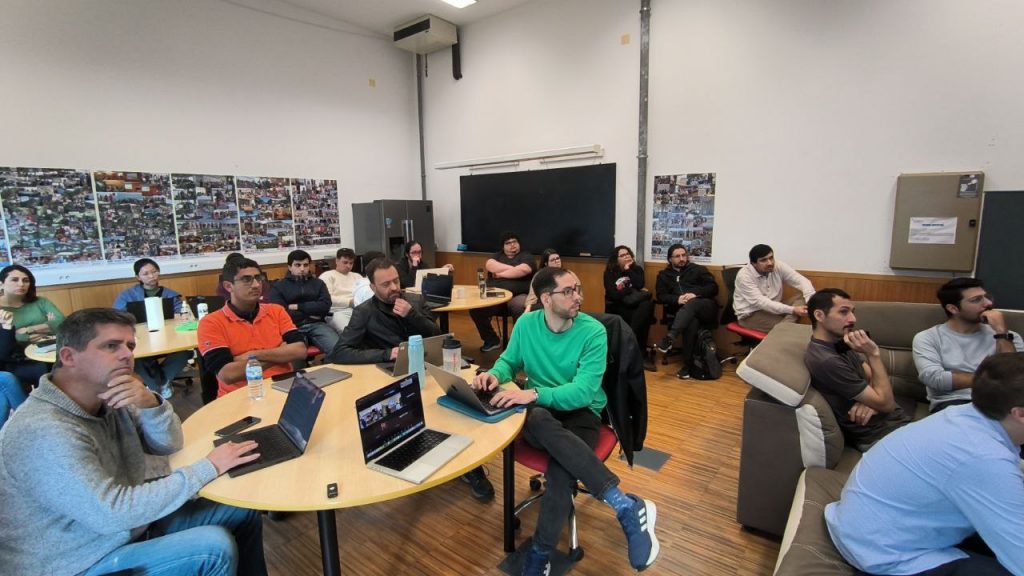
26th of March at 16h00, Sadaf Azimi and Iury Araujo  will give two short presentations, to promote discussion on two relevant ongoing or disruptive topics. Afterwards, there will be a social gathering where everyone can talk freely on whatever subjects they like.
Location: G4.1Online: https://videoconf-colibri.zoom.us/j/97404078835?pwd=7iIG7YqLwXgZU5g7QHZKFbuAMyInqb.1

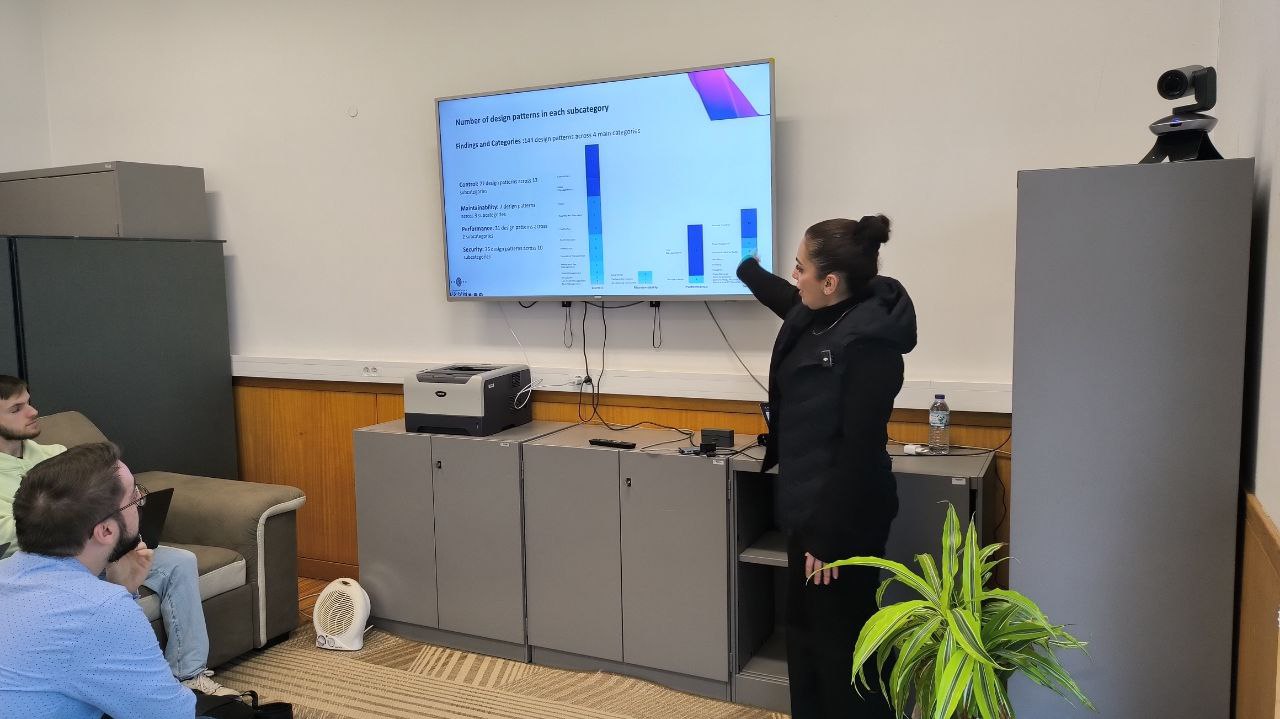
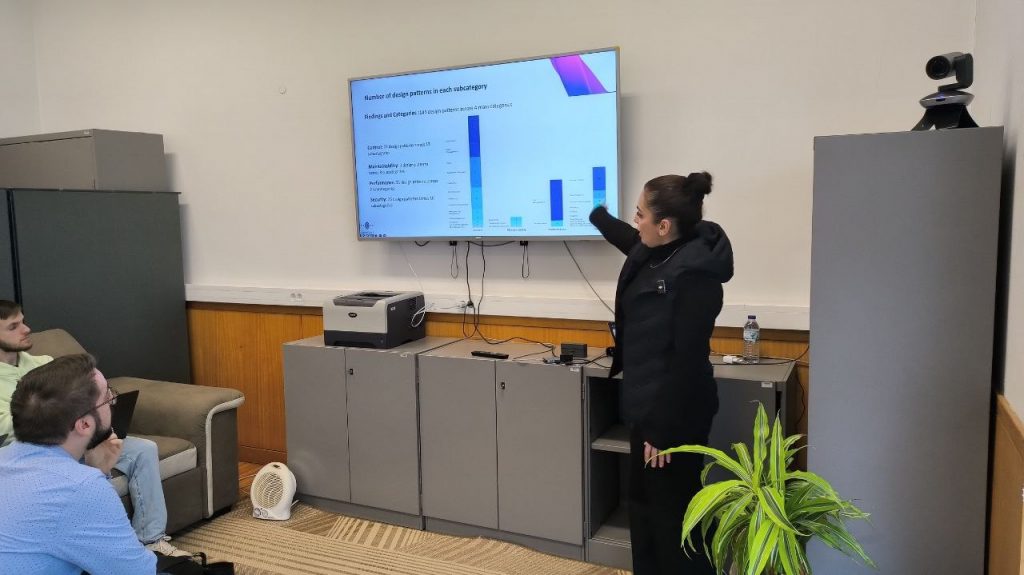
Sadaf Azimi – “A Systematic Review on Smart Contracts Security Design Patterns”


Bio

Sadaf Azimi is an IT professional with Over 11 years of experience as an IT Lecturer and as an analyst and developer of medium-scale projects in the area of IT Systems, such as marketing software and warehouse management. She graduated with a bachelor’s degree in Computer Engineering (Software) from the Islamic Azad University of Tuyserkan in February 2008 in Iran. Later, she got her two-year master‘s degree in Knowledge Management from Malaysia Multimedia University in June 2012 in Malaysia.She continued her academic journey in 2022, enrolling in the doctoral program in Informatics Engineering at the University of Coimbra. Her research for her Ph.D. focuses on addressing the security in smart contracts by conducting a thorough analysis of the known security vulnerabilities, identifying design patterns that can mitigate these risks, proposing new security design patterns to fill gaps, and using software metrics as an indicator of software quality to help developers implement more secure smart contracts. Furthermore, her research aims to evaluate and benchmark the effectiveness of existing static vulnerability detection tools. She seeks to contribute to the field of blockchain and smart contract security, ultimately enhancing the security and reliability of smart contracts in real-world applications.


Abstract
Smart contracts have accelerated the adoption of blockchain technology across various domains by enabling coded agreements between transaction participants. However, increased software defects and vulnerabilities in smart contracts, driven by developer inexperience with languages like Solidity and a lack of effective detection tools, pose significant risks. Given the high value of assets managed on blockchain, these vulnerabilities can lead to severe consequences.Researchers and practitioners have proposed numerous smart contract design patterns to mitigate certain faults or vulnerabilities. Despite these efforts, it remains unclear which types of defects these patterns target and how effectively they address the wide range of existing smart contract security vulnerabilities. In this paper, we review the state of the art in smart contract design patterns, categorizing them and analyzing their effectiveness in mitigating known security vulnerabilities. Our findings reveal that only five patterns directly aim to prevent security vulnerabilities, collectively addressing just 6 out of 94 security issues identified by OpenSCV, highlighting the need for further research on smart contract security design patterns.

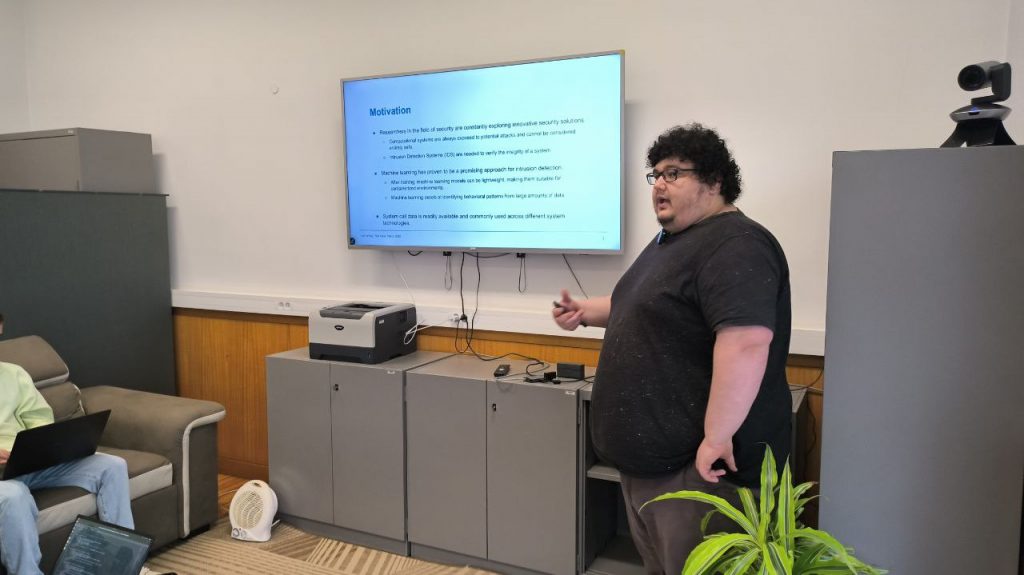
Iury Araujo – “Enhancing Intrusion Detection in Containerized Services: Assessing Machine Learning Models and an Advanced Representation for System Call Data”

Bio
Iury holds a BSc degree in Computer Science and a MSc in Informatics from the Federal University of Paraíba, Brazil. He is pursuing a PhD in Informatics Engineering at the University of Coimbra, Portugal, focusing on intrusion detection in containerized services based on machine learning.

Abstract
Security is a fundamental requirement for modern digital systems, particularly in environments such as cloud computing, IoT, and microservices. Intrusion Detection Systems play a crucial role in identifying and mitigating threats, yet securing containerized services remains a significant challenge due to their architecture and shared resource dependencies. This presentation will explore a machine learning-based approach to enhance intrusion detection in containerized environments. We introduce a novel graph-based representation of system calls to preserve contextual relationships, improving detection performance while maintaining low false alarm rates. Additionally, a sliding window-based post-processing phase further refines detection.

[Talk Ideas] – 12th of March 2025, Carlos Baquero (FEUP)

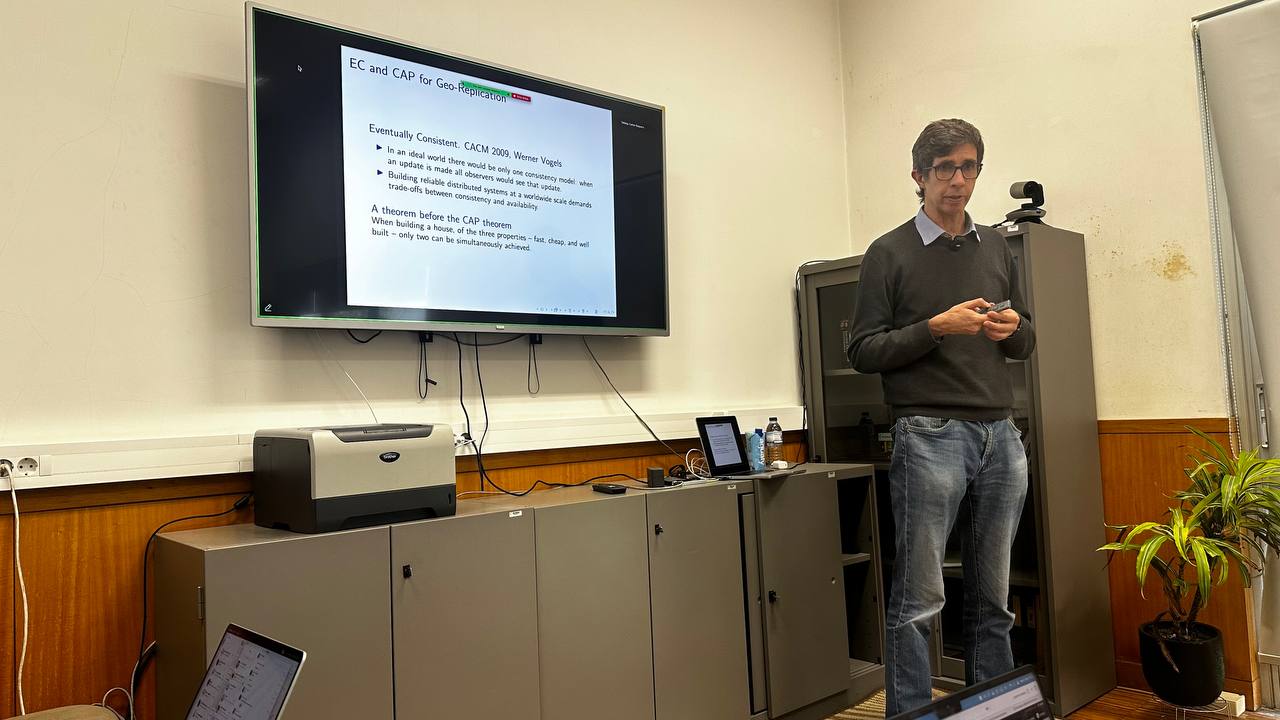
12th of March at 16h00, Carlos Baquero (FEUP) will give a presentation entitled“CRDTs: State-based approaches and efficient remote state synchronisation” 
Location: G4.1

Abstract
In primary-secondary replication, updating an outdated secondary replica when the primary changes is inefficient due to sizeable state and bandwidth constraints. The RSync algorithm, introduced in the nineties for file systems, solves this problem by partitioning file data, using hash functions to compare files, and transferring only the necessary data. However, RSync requires users to know which file has the most recent state and which needs updating. Like a file copy command, it has a source and a target, making synchronisation fail if either (i) here is no knowledge of which file was updated; or (ii) both files are updated.We will present ConflictSync, a solution that leverages the properties of Conflict-free Replicated Data Files (CRDTs). While RSync can handle arbitrary file data, it interprets files as byte sequences. To reconcile divergent states, we need more information on the data interpreted as a CRDT. Our solution works on any state-based CRDT and uses join decompositions, cryptographic hash functions, and Bloom filters. 


Bio
Carlos Baquero is a Professor in the Department of Informatics Engineering at FEUP. Research interests cover data management in eventual consistent settings, distributed data aggregation and causality tracking. In the last years, he has collaborated with co-authors in the development of data summary mechanisms such as Scalable Bloom Filters, causality tracking for dynamic settings with Interval Tree Clocks and Dotted Version Vectors and in predictable eventual consistency with Conflict-Free Replicated Data Types. My work has been applied in several systems, including the Riak distributed database, Redis CRDBs, Akka distributed data, and Microsoft Azure Cosmos DB.

[Talk Ideas] – 26th of February 2025, Lino Santos (head of National Cybersecurity Center – NCSC/CNCS)

26th of February at 16h00, Lino Santos (head of National Cybersecurity Center – NCSC/CNCS) will give a presentation entitled“Cybersecurity in Portugal: Challenges and Opportunities” 
Location: G4.1

Bio
Lino Santos has a master’s degree in Law and Security from the Faculty of Law of Universidade Nova de Lisboa and a Computer Science degree from Universidade do Minho. He is head of the Portuguese National Cybersecurity Center (CNCS) and an appointed member to the board of directors of the European Agency for Cybersecurity (ENISA).He previously was Director for security and users’ services at the National Foundation for Scientific Computing. He was appointed member for the CNCS installation commission. He has also a certification in Managing Computer Security Incident Response Teams, from Carnegie Mellon University, and from the Program on Cyber Security Studies, George C. Marshall Center.

[Talk Ideas] – 12th of February 2024, Sara Santos (Critical Software)

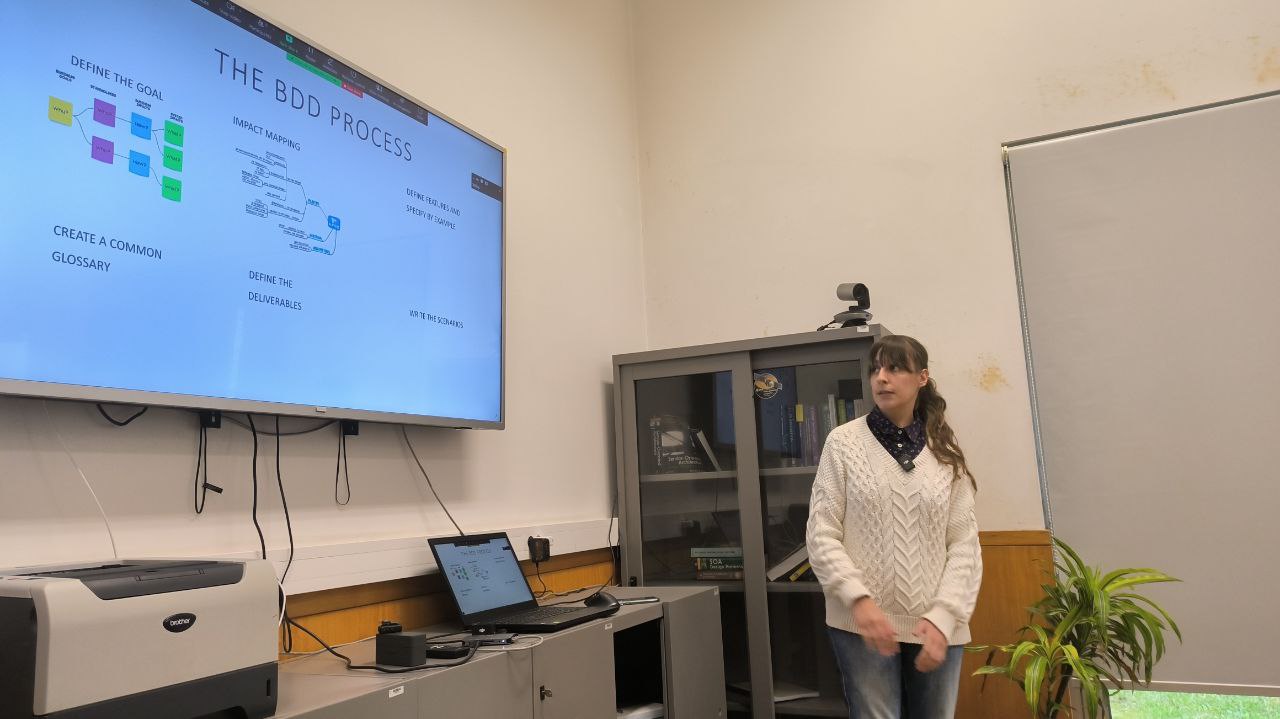
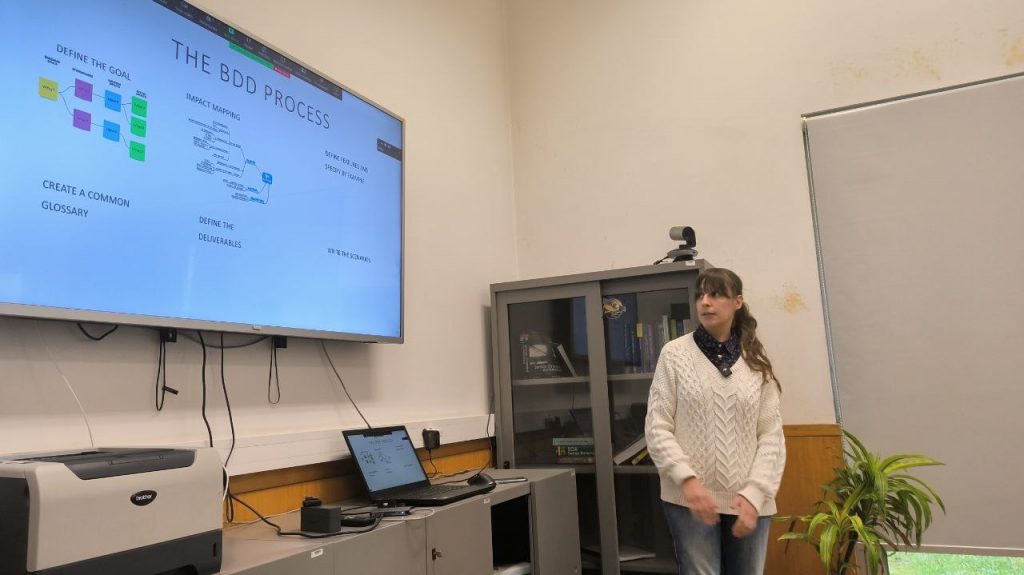
12th of February at 16h00, Sara Santos (Critical Software) will give a presentation entitled“Behaviour-Driven Development and the Role of Communication” 
Location: G4.1

Abstract
Behaviour-Driven Development is a software development methodology that extends Test-Driven Development by emphasizing collaboration among developers, testers, and business stakeholders. The core principle of BDD is defining system behaviour in a human-readable format using structured natural language, enabling a shared understanding of requirements. Communication is the key factor in BDD, as it fosters clear alignment between technical implementation and business expectations. By encouraging early discussions and continuous feedback, BDD ensures that software is developed with a focus on user needs, reducing misunderstandings and costly rework. This approach strengthens cross-functional collaboration, enhances requirement clarity, and improves overall software quality.


Bio
Sara Santos started with a degree in psychology, and decided to transition into software development. Currently, I am a Solutions Architect with 7 years of experience in software engineering, and have been working in Critical Software, mainly in projects focused on the energy sector. As a Solutions Architect, I am often involved in discussions with stakeholders where BDD plays a crucial role in aligning technical solutions with business requirements.

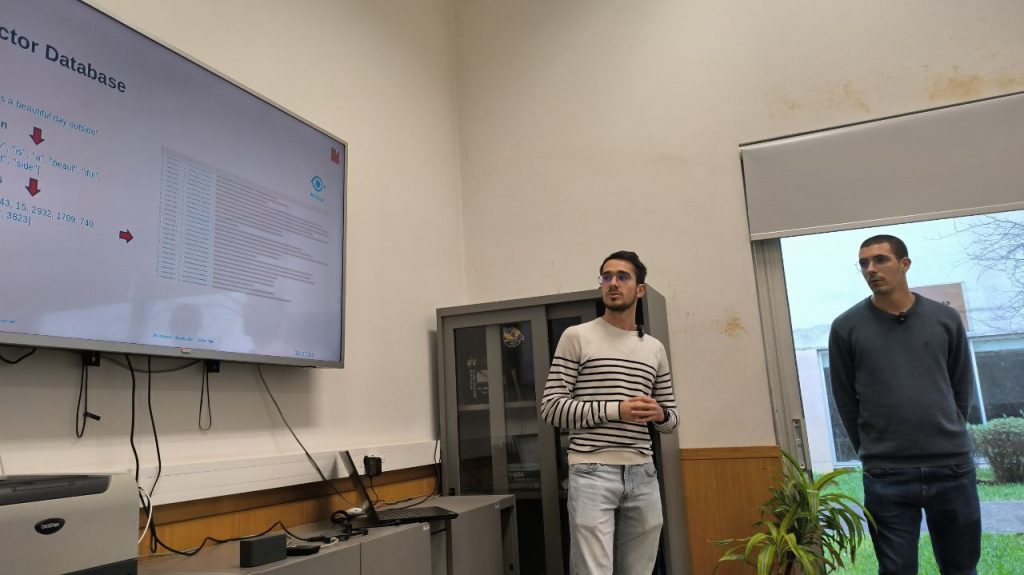
[Talk Ideas] – 8th of January 2024, Rafael Pereira (Critical Software) and Francisco Giro (Critical Software)

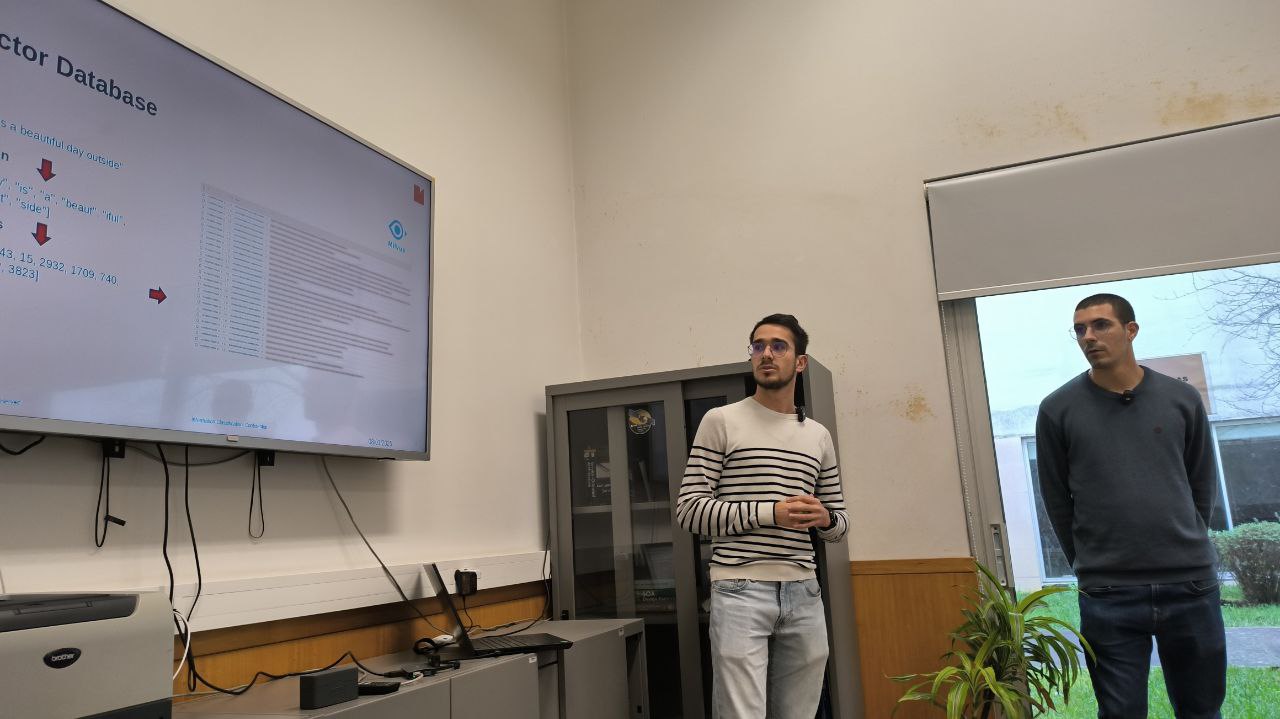
8th of January at 16h00, Rafael Pereira (Critical Software) and Francisco Giro (Critical Software)  will give a presentation entitled“Retrieval Augmented Generation for Private Data” 
Location: G4.1

Abstract
Critical Software provides third-line support for major projects, requiring access to data from sources like Confluence, JIRA, and documentation. Locating relevant information is difficult, especially as team members change over time. To address this, we developed a virtual assistant with a Large Language Model (LLM) using Retrieval Augmented Generation (RAG). The assistant integrates diverse data sources, ensures data confidentiality, and adapts to different projects. It combines VectorRAG and GraphRAG for accurate and contextual responses. Our work also includes Open-Source Software contributions to LangChain, enhancing tools for building LLM-powered applications.


Bio
Rafael Pereira is a passionate software engineer with a Master’s degree in Computer Science from Polytechnic University of Leiria. His research focuses on emotion detection through computer vision, with several published scientific papers exploring innovative approaches such as deep learning and pose estimation for real-time emotion analysis. At Critical Software, he is actively involved in different initiatives aimed at promoting the adoption and integration of AI within the company.
Francisco Giro is a Software Engineer with a Master’s degree in Computer Science from Instituto Superior Técnico (IST), Lisbon. With nearly two years of experience at Critical Software, he specializes in Java development and collaborated on an AI initiative within the company, applying innovative approaches to research and development.

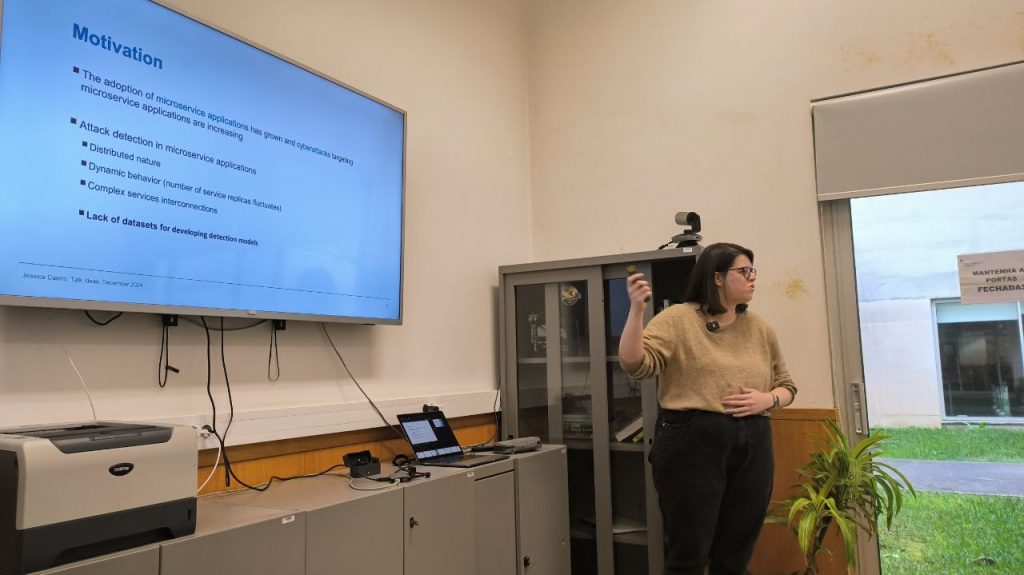
[Talk Ideas] – 18th of December 2024, Jessica Maciel and Horácio França

18th of December at 16h00, Jessica Maciel and Horácio França  will give two short presentations, to promote discussion on two relevant ongoing or disruptive topics. Afterwards, there will be a social gathering where everyone can talk freely on whatever subjects they like.
Location: G4.1

Jessica Maciel – “Developing Attack Detection Models for Microservice Applications”

Bio
Jessica holds a BSc degree in Computer Science and a MSc in Informatics from the Federal University of Paraíba, Brazil. She is currently pursuing a PhD in Informatics Engineering at the University of Coimbra, Portugal, with a focus on runtime security for microservice applications.
Abstract
Microservice architectures provide scalability and flexibility, but their distributed nature and complex service structures introduce new security challenges, especially in detecting cyberattacks. In this talk, we will present our work on developing attack detection models for microservice applications, including a framework designed to generate realistic attack data and develop detection models with illustrations in the context of DDoS attacks.

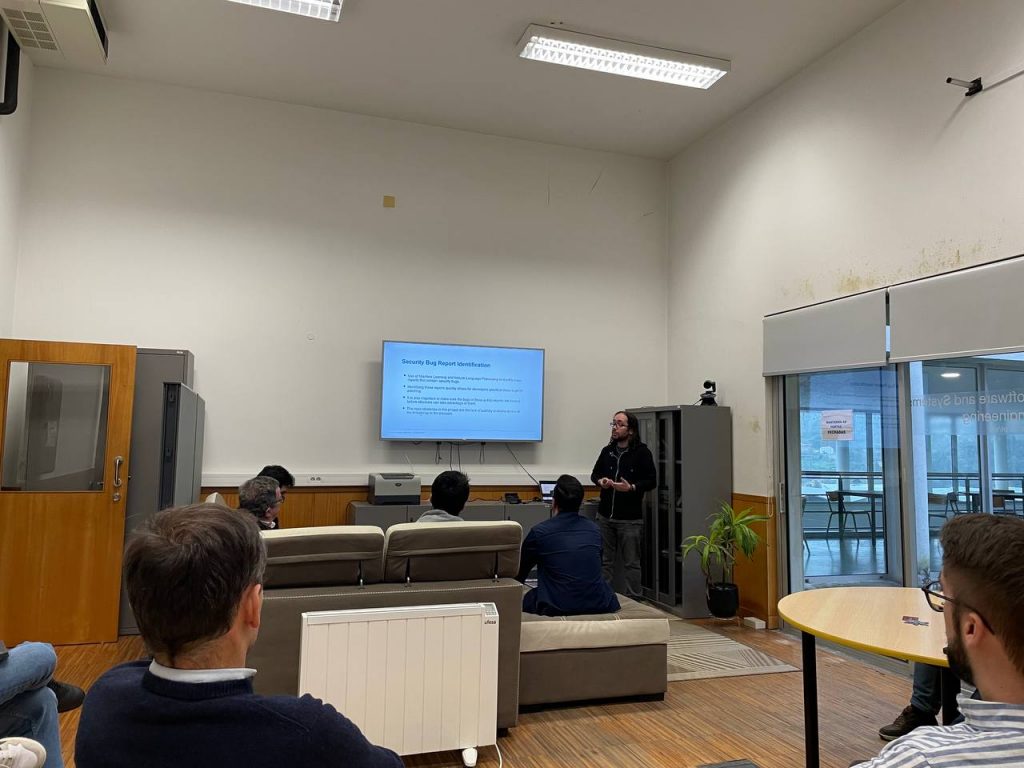
Horácio França – “Using Generative Pre-trained Transformers to Identify Security Bugs among Bug Reports”

Bio
Horácio is currently a PhD student at the University of Coimbra. He has a bachelor’s degree in Computer Science and a master’s degree in Systems and Computer Engineering from the Federal University of Rio de Janeiro. His research interests include Artificial Intelligence, Cyber Security and the intersection of those subjects.
Abstract
Bug trackers are useful tools for developers to identify issues in their software, however, depending on how many reports are being submitted it may become hard to prioritize what to tackle first. Security issues being reported in this manner need to be identified rapidly for two reasons: Firstly, they need to be addressed in the software as quickly as possible, and secondly because a public issue report about a security bug could inform malicious actors of the existence of an exploitable vulnerability. With the increased use of GPTs across industry and academia, this problem seemed like a good application of this technology. In this presentation, we expound on the results obtained from testing 4 different GPT models on 7 different security bug report datasets.